Some rooms show their age the second you spot the partitions. Yellowed seams, dated florals, or a vinyl surface that displays mild in a approach paint not at all might. Removing wallpaper can sense like a chore as it lives on the intersection of patience and manner. Get the procedure suitable and the paint or plaster that follows looks faultless. Rush it or use the incorrect procedure and you may gouge drywall, increase the paper face, or catch adhesive that telegraphs because of new finishes.
This advisor walks you because of the overall method as a legitimate could manner it, consisting of learn how to identify what you might be handling, which elimination manner to decide upon, and how to prep for painting after the paper comes down. I can even flag the usual traps that charge householders time. The target is a easy, clean wall able for primer, not only a wall devoid of wallpaper.
Read the wall earlier you start
Wallpaper is a manner: a decorative face, a backing, and adhesive. Sometimes there may be a primer among the paper and the wall, often times there will not be. The stack topics. Take ten minutes to diagnose your wall beforehand you clutch a scraper.
Start with age and sort. If the development seems like a surface plastic movie, you doubtless have vinyl or vinyl‑coated paper. These withstand water to start with and steadily require scoring or putting off the face layer in the past the backing will unlock. True paper wallpaper absorbs water effectively, so a hot water and surfactant combination will rainy simply by. Fabric or grasscloth behaves differently, many times dropping fibers. If the home used to be revamped since the 90s, odds are respectable for vinyl or vinyl‑lined fabric.
Next, find a seam in an inconspicuous nook and lift it with a sharp software blade or a 1.five inch putty knife. If that you would be able to peel huge sheets with regular tension, any one might have used a strippable adhesive or a very good wall sealer. If the best decorative layer peels and leaves a fuzzy paper backing behind, you may have a two‑stage elimination on deck. If the wall surface below softens or the paper face of the drywall lifts with the wallpaper, there was no primer and also you want extra care to ward off destroy.
Check for paint lower than the paper as neatly. Glide a moist sponge over a small part and rub flippantly. If you notice tinted residue on the sponge, the wall might have been painted with flat latex sooner than wallpaper went up, that's more beneficial than raw drywall. If water beads on the floor, you're seemingly facing vinyl or a sizing that resists soak.
Finally, look for hazards. Very old residences in certain cases have lead paint below layers. Wallpaper itself does not include lead, however the substrate could. If you observed pre‑1978 paint in deficient situation underneath, deal with the surface lightly, keep watch over filth, and imagine specialist instructions.
The center device kit
You do now not want exceptional tools, however the desirable basics exchange the day. Gather a huge blade scraper, a 1.five inch putty knife, a scoring wheel used lightly, a pump lawn sprayer, a bucket with heat water, microfiber rags, cellulose sponges, blue tape, pale drop cloths, and a step stool. For stubborn adhesive, have a gel‑kind enzymatic remover and a targeted surfactant reachable. A steamer is effectual for backed vinyl and antique paste that refuses to free up. Keep new razor blades for the application knife so you minimize seams cleanly and avoid tearing the paper face of the drywall.
I favor a 4 inch versatile taping knife for vast scraping and a skinny 1.5 inch painter’s device as a element scraper. A boring blade is the quickest manner to rip drywall or go away gouges you can still later have got to skim.
Method selection, staged
Begin with the least aggressive technique and increase handiest as crucial. Experienced crews circulate by using degrees rapidly, yet they nonetheless try out each one one. The goal is to let chemistry and time do such a lot of the work so your blade does less.
Stage 1: Dry pull
Start at a seam or an outlet beginning. Score the seam flippantly with a sharp blade to interrupt the paint movie if the seams were painted. Grab the brink and pull at a low attitude, not instantly out from the wall. If the paper comes away in sheets and leaves a fresh floor, maintain going. If the decorative face separates and the backing continues to be, transfer to wetting the backing.
Stage 2: Warm water and surfactant
Most pastes are water soluble. A undemanding combine of hot water with a small volume of dish soap or a wallpaper removal detergent breaks surface tension so water penetrates the paper. Soak a possible segment, then wait. The ready is the work. Give it 5 to ten minutes, then re‑wet once. When the paper appears uniformly dark and gentle, commence scraping with the wide knife, using the blade nearly flat to the wall. If you see the wall’s paper face lifting, end and regulate. Re‑rainy, use much less drive, and change to a thinner blade.
Stage 3: Score and soak
Vinyl rejects water, so the surfactant can't succeed in the paste with out a course. Use a scoring instrument lightly to create micro perforations by way of the vinyl face devoid of shredding the wall below. Space is vital. Over‑scoring creates millions of confetti portions and turns removing into a slog. After scoring, soak with hot water plus remover resolution, wait 10 minutes, then look at various. You should always see the decorative face bubble relatively and allow the backing to launch.
Stage four: Chemical remover or steamer
For clay‑dependent paste or old walls the place the paper has bonded to raw drywall, a gel remover can melt the adhesive with out flooding the wall. Apply, wait according to label recommendations, then scrape. A wallpaper steamer makes use of warmth and moisture to loosen adhesive. Move slowly, pressing the steamer pad in opposition to the surface for 10 to fifteen seconds in both location, then scrape the softened discipline before it cools. A steamer shines on thick vinyl and in toilets where steam will now not damage the substrate.
Stage five: Spot repair and patience
Some partitions have five layers of historical past. At that level, removal becomes archaeology. Work layer via layer. Keep your blades refreshing and swap water on the whole. Drywall paper is unforgiving when saturated, so speed your wetting to match your scraping, and on no account soak a tremendous wall and stroll away.
A authentic rhythm that saves time
Crews at Revive 360 Renovations follow a rhythm that retains the mess contained and the velocity regular. We pre‑reduce the room into zones, veritably a wall at a time, and we level drop cloths and plastic alongside the baseboard. Outlets and switches come off, with the capability grew to become off on the breaker. We heat the room reasonably and mounted a field fan to head air so soaked sections do no longer drip as much. On vinyl, we score calmly in long, arcing passes, about one move in line with foot, then soak and scrape ideal to bottom. Dry backing is going right into a lined garbage can appropriate away previously it disintegrates into paste. The slower you move, the quicker you end, due to the fact each and every added minute of dwell time for the solution saves ten mins of scraping.
Dealing with adhesive residue
Once the paper is long gone, you still have paste embedded within the wall texture or drywall paper. Paint primer does now not neutralize paste. Leftover paste can react with water in joint compound or primer and create bubbles or a gummy floor that telegraphs thru paint. Test by using operating a humid sponge over a small section and rubbing. If the sponge slides sticky and leaves milky residue, you have paste to cast off.
The way is dependent at the substrate. On painted partitions, a wash with heat water and a slight TSP replace can eliminate most paste. On naked drywall, too much water raises the nap of the paper and will lead home remodeling chicago to effervescent. Use minimal moisture and a mild hand. I like a diluted white vinegar rinse after the preliminary wash as it enables wreck down paste and cuts any soap residue. Dry entirely between passes. When your sponge not selections up residue and the wall feels matte other than slick, you are geared up to repair.
Repairing the wall after removal
The wall will present nicks, shallow scrapes, and the occasional lifted paper. Good prep covers those sins. Start via letting the wall dry thoroughly. Overnight is protected. Then cope with any effervescent drywall paper by means of cutting around the bubble with a sharp blade and removal the loose paper. Seal torn or uncovered drywall paper with a committed penetrating sealer corresponding to a shellac‑dependent primer or a specialized drywall repair primer. Water‑situated primers can re‑spark off paste or improve paper; the shellac layer locks matters down and forestalls long run effervescent.
After sealing, skim coat the wall wherein considered necessary. Mix light-weight joint compound to a creamy consistency. Use a 10 or 12 inch taping knife to skim thin, vast passes over seams, dings, and any shallow texture left from paste. Feather edges. Let dry, then sand calmly with 220 grit on a sanding pole or a first-rate sanding sponge. Wipe dirt with a dry microfiber fabric. On soft finish walls, a full skim coat throughout the whole floor delivers that glassy new‑structure seem. On orange peel or easy texture, spot restore could be enough.
Finally, optimal. Use a high pleasant primer applicable to the substrate. On partitions in which paste used to be offer, a stain‑blocking off primer reduces risk. Primer famous any ultimate imperfections. Circle pinholes and ridges with a pencil, contact up with compound, sand returned, and notice most efficient. Then the wall is about for paint.
Common traps and ways to evade them
A quick listing of pitfalls indicates up repeatedly. Pulling dry paper too aggressively tears the drywall face. Over‑scoring turns removing right into a confetti hurricane. Flooding naked drywall swells the paper and results in bubbling. Skipping the paste wash leaves a sugary film that gums up sandpaper and motives long term paint disasters. Painting over unsealed torn paper creates raised ridges and poor adhesion. All of those price more time later than they retailer inside the second.
One more lure is underestimating time. A 12 by using 12 room with a normal ceiling and a single layer of paper would possibly take 6 to 10 hours for an skilled two‑consumer group, inclusive of cleanup, paste wash, and notice maintenance. Multi‑layered paper or unprimed drywall can smoothly triple that. Plan your weekend for that reason.
When prior projects go away a surprise
Older homes many times conceal poster adhesives, touch cement, and even creation adhesive used to patch seams. I once labored a row condo the place the old proprietor tacked down lifting seams with yellow chippie’s glue. The water did nothing to it. Heat labored improved, but we nonetheless had to scrape in moderation by way of sliding a warmed putty knife below each one glue track. In a condominium, we observed a mural put in with a vinyl adhesive meant for commercial settings. A steamer which can maintain regular output turned into the merely approach because of it. The lesson is to trade methods when a segment resists the same old process. Force is the inaccurate reply.
Safety, ventilation, and cleanup
Wet wallpaper and paste change into a slippery mess instant. Keep the surface lined however modification out soaked drop cloths so you should not going for walks on a skating rink. Bag waste as you pass. Do now not flush paste down a sink, as it should make a contribution to clogs. Buckets of dirty water needs to be strained and dumped outdoors or allowed to settle and then decanted moderately.
Ventilation concerns. Warm, shifting air facilitates surfaces dry among passes and controls humidity. If you use a steamer or a shellac‑elegant primer, crack home windows and use exhaust enthusiasts. Wear gloves in case your skin reacts to detergents and eradicate outlet covers to save you trapping moisture round electrical gadgets.
Choosing among DIY and a pro
Wallpaper removal sits on the fence among a patient DIY activity and a pro job. If you may have a unmarried layer on primed walls, average methods, and time, you may achieve a first rate outcome. If the paper is layered, the residence is from an generation wherein raw drywall typically met the paper, or the room is a rest room with years of steam, a professional can save you from compounding hurt. Revive 360 Renovations has removed heaps of sq. ft of wallpaper in houses with very distinctive wall histories. Our crews know tips on how to study the wall, while to interchange from water to steam, and how you can lock down fragile drywall earlier it turns into a patching mission.
The expense change shouldn't be simply hard work. Pros bring the sealers, skim methods, mud keep an eye on, and the self-discipline to end maintenance to a paint‑organized nation. More than once we were referred to as to rescue a DIY process where paint bubbled across entire walls considering the fact that paste used to be left behind or in view that the inaccurate primer changed into used over torn paper. A methodical approach early on prevents those headaches.
How Revive 360 Renovations phases a complete room
To continue outcomes consistent, Revive 360 Renovations follows a sequence that compresses downtime and decreases probability. We start off with a full walkthrough to identify advantage obstacle components consisting of outside partitions with temperature adjustments that sluggish drying, high humidity rooms, or regions wherein shelves or tile meet papered partitions. We experiment elimination in a discreet spot to decide upon a way. Then we remove outlet covers, shield flooring, and seal vents gently to hinder paste dust out of the HVAC. We score only if important and in simple terms gently to sidestep over‑perforation. When we soak, we pace the staff so that the man or women scraping is following the adult wetting by using a predictable lag, pretty much eight to 12 minutes. Adhesive wash occurs immediately after sections are cleared, which prevents the paste from drying back onto the wall. Repairs bounce the same day for small rooms, and primer goes on when moisture readings or the undeniable touch attempt tell us the wall has dried frivolously.
Step‑via‑step snapshot
Here is a compact sequence that mirrors the skilled task. Use it as a manual taped to the door so that you avoid your location.
- Diagnose the wallpaper and substrate, examine a seam, and select the least competitive means that works. Protect, strength down stores, rating simply if necessary, and level tools with recent blades, warm water, and remover. Dry pull wherein achieveable, then soak in zones, wait, and scrape at a low attitude with clear blades. Wash residual paste with heat water and a easy cleaning answer, rinse, and let full dry time. Repair tears and nicks, seal exposed drywall paper, skim as needed, sand, then most well known with an acceptable sealer.
Special cases and workarounds
Bathrooms and kitchens venture wallpaper removing seeing that steam and grease migrate into paste. In kitchens, add a degreaser step sooner than you wet the paper. A light trisodium phosphate alternative or a citrus degreaser facilitates water penetrate flippantly. In bathrooms, look forward to mold in the back of the paper. Black spotting or odor requires a mildew wash and a drying phase formerly you seal and skim. Walls that have been earlier painted with oil‑primarily based the teeth regularly free up paper greater cleanly on the grounds that the tooth creates a reliable barrier. Still, take a look at a small sector in view that repaints over the enamel is likely to be latex, that may soften and peel if over‑soaked.
Another aspect case is plaster. Plaster does not react like drywall. It handles water higher and resists gouging, but skim coats on prime of plaster shall be skinny and brittle. Use a lighter contact and ward off heavy scoring that may fracture the skim. If you discover a calcimine ceiling or wall under paper, you will desire a selected primer to fasten it down, as calcimine chalks lower than water.
What stable appears like prior to you paint
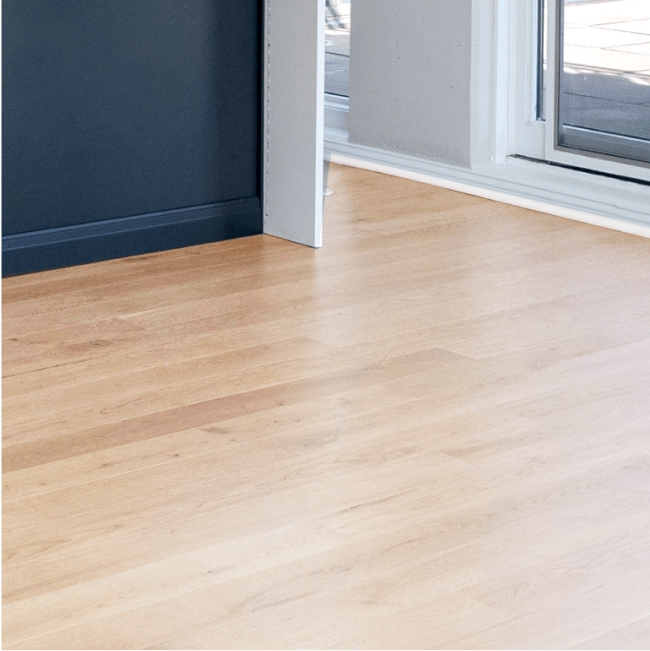
A wall equipped for primer should always move some checks. Run a hand across it. It ought to believe matte, no longer slick, without a sticky elements. Shine a raking gentle at a low attitude alongside the wall. You need to now not see torn paper ridges, raised seams, or leftover backing. Press protecting tape onto the wall and pull it off. If the surface lifts or the tape loses adhesion temporarily, residual paste is seemingly. Finally, dab a moist sponge on a number of spots. If it picks up paste or colour, stay washing and drying in those places.
Once the wall is sealed and primed, opt for your topcoat thoughtfully. Paint sheen impacts how plenty beyond maintenance coach. In high moisture rooms, the surest paint finishes for every room characteristically lean in the direction of eggshell or satin simply because they resist moisture and sparkling quite simply. If you propose to repaint cabinetry regional, think of how the partitions will engage with cabinet colors and sheens. The perfect neutral paint colours for residence resale traits shift, but crisp, balanced neutrals assist walls feel refreshing after years at the back of wallpaper.
When elimination feeds into large refreshes
Wallpaper removing hardly ever stands alone. It most often pairs with other updates. If you're making plans funds‑pleasant kitchen updates that make a massive affect, getting rid of a dated border and repainting the walls can play properly with new hardware on cabinets or a small backsplash project. The accomplished kitchen backsplash set up e-book most often starts with flat, sparkling partitions, that you in simple terms get after appropriately casting off paper and paste. In loos, new lights that creates one of the best ambiance will demonstrate each and every flaw within the wall surface, so your skim and best paintings after removing needs to meet that essential.
Homeowners planning a complete condo painting task at times ask even if to cast off wallpaper in each room or leave some. The decision is dependent on how well the paper is established, the condition of the partitions at the back of it, and your tolerance for seen seams. In a small lavatory transform the place space and kind rely, painted walls can make the room believe better than patterned paper. During a powder room overhaul that aims to make a commentary, even if, a formidable new wallpaper may well be portion of the plan, by which case you still prefer a clean, sealed substrate to accept new adhesive.
A temporary anecdote on timing and patience
A couple in a 1920s brick bungalow often known as after they had spent a weekend pulling paper of their dining room. The pinnacle floral layer came off actually, but the backing clung stubbornly. The walls beneath the paper have been uncooked plaster with a thin skim, and anytime they soaked quite a lot of sq. toes, hairline cracks gave the impression. The restoration was once counterintuitive. We lower the room into smaller zones, higher dwell time with a gel remover rather then more water, and used putty knives honed to a slight bevel to slide beneath the backing. After removing, we used a penetrating sealer, skimmed, then sanded lower than raking light. The room took two days longer than they expected, however the painted finish gave the look of new plaster. Patience beat power.
Final excellent checks experts count on
Before calling a wall done, pros lean on three quickly assessments. The raking light try exposes ridges and neglected glue. The tape pull experiment identifies adhesion points sooner than paint. And the moisture verify, regardless of whether with a meter or absolutely with the aid of contact and timing, ensures primer goes on dry substrate. Skip any of these and risk bubbles, flashing, or adhesion failure. Include them and your end holds.
How Revive 360 Renovations transitions from elimination to paint
The bridge between removing and painting is where wall exceptional is gained. Revive 360 Renovations trains crews to deal with paste removal and sealing as section of the portray prep, now not a separate activity. We schedule a drying window after paste wash, use precise sealers to fasten down fragile regions, and apply a uniform primer coat that units the tone for ultimate paint. On tasks in which prospects also are updating floors or cabinets, we coordinate sequences in order that sanding mud does now not contaminate brand new primer and new tops are protected from steamer condensation or wash water. The self-discipline right here will pay off inside the final walk‑by way of, when partitions think and seem to be they certainly not carried paper.
Troubleshooting immediate reference
Here is a compact set of fixes for prevalent complications that crop up mid‑task.
- Paper face of drywall lifts: Stop wetting that neighborhood, allow it dry, cut out free paper, seal with a penetrating or shellac‑centered primer, then skim. Paste assists in keeping reappearing as brilliant patches: You will not be rinsing sufficient. Use clear water transformations, a new sponge, and a 2d go with a vinegar rinse, then dry entirely. Steamer leaves the wall damp yet paper still sticks: Increase stay time in keeping with spot, save the pad flat to the wall, and scrape right now whilst heat. Consider lightly scoring vinyl. Painted over wallpaper edges telegraph after removal: Sand ridges down rigorously, skim, and feather broad. Use raking easy to test in the past priming. Mildew odor in the back of paper: Wash with a mould cleanser and allow to dry wholly. Do not seal over energetic mold.
Wallpaper elimination is understated in inspiration and fussy in exercise. The change between a laborious day and a disaster lies in prognosis, live time, sharp equipment, and the subject to fresh and seal sooner than you paint. When done rigorously, you are usually not simply stripping a trend, you are rebuilding a perfect wall conclude so they can take color beautifully and stay stable for years.